On 1 May 2025, Thailand replaced the paper TM6 arrival card with the Thailand Digital Arrival Card. Foreign visitors now submit their travel and accommodation details online before arrival, and the immigration record starts life as structured data.
The obligations on the accommodation side did not change. Hotels and other hosts still have to notify Immigration when a foreign guest stays with them, through the TM30 process, within 24 hours of arrival. In most properties that still means a passport photocopy, a spreadsheet or a portal form typed in by the night shift.
The gap is at the front desk
The result is an odd asymmetry. The border now receives clean, validated data before the guest boards the plane. The property receives a passport across a counter and re-keys it. Every re-keyed field is a chance to get a name transliteration wrong, miss a deadline across a timezone, or file a guest who has already checked out.
The fix is not a better form. It is making the arrival itself produce the record:
- Verify the document and the person together at the moment of check-in, so the identity on file is the identity at the door.
- Record one decision with the evidence behind it: document read, liveness result, face match and the staff member who approved any exception.
- Prepare the filing from that record, not from a copy of it, so the report to Immigration and the property's own guest file cannot drift apart.
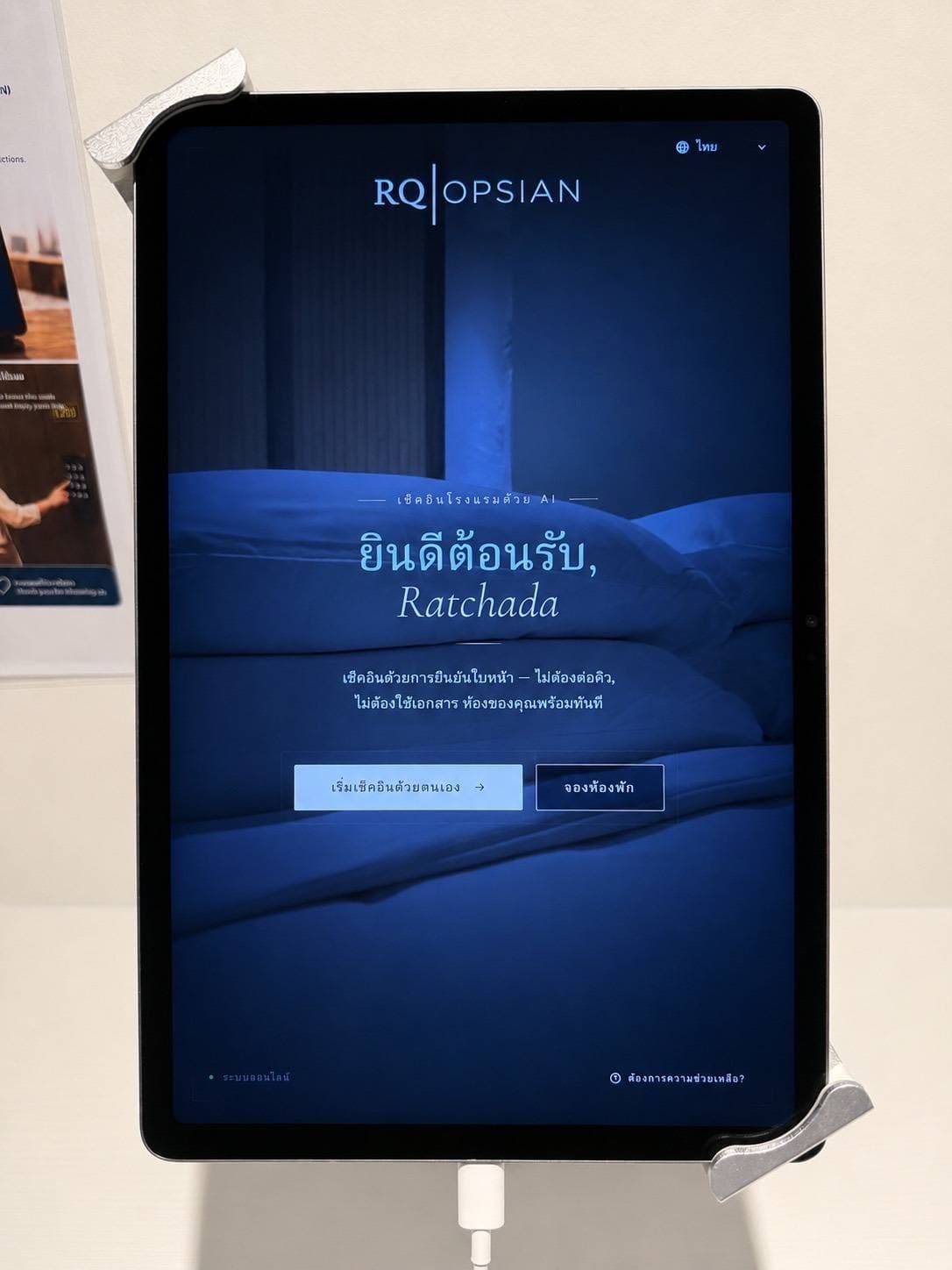
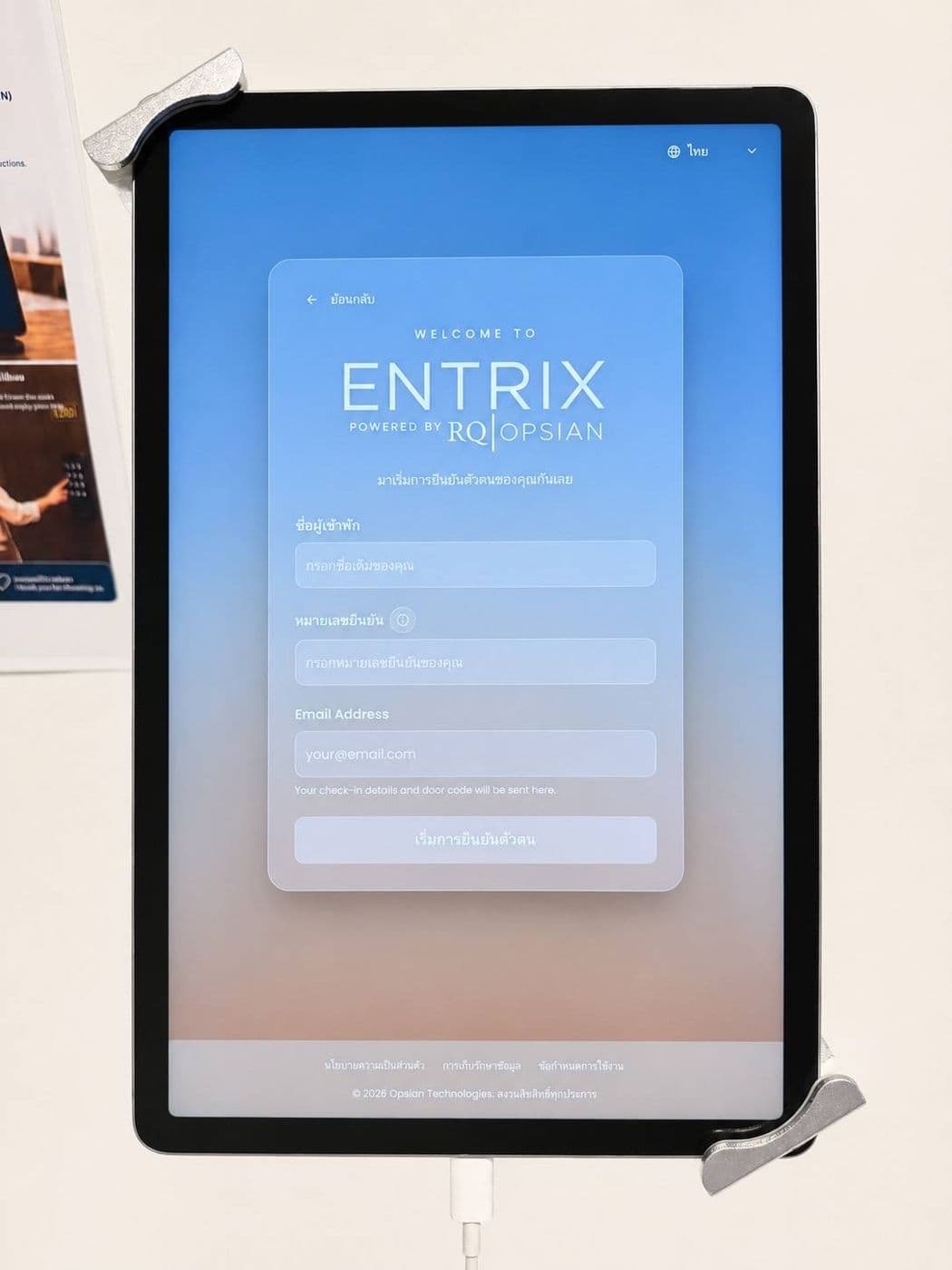
That is the sequence ENTRIX runs at RoomQuest properties in Thailand, where each check-in prepares the guest's immigration registration from the verified record.
Why this matters beyond Thailand
Digital arrival systems are spreading, and each one moves more verified data to the border. Properties that keep re-typing passports will carry the error rate that governments have already engineered out of their side. The ones that verify once at arrival and file from that record will not.